Christian Cross Earing Design Review for Real Projects
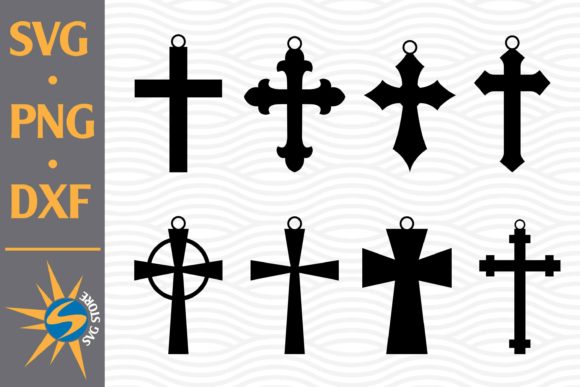
When I first opened the Christian Cross Earing file set, I was looking for a design that could carry both reverence and wearable style. As someone who has tested hundreds of machine embroidery designs for small shops, custom apparel, and handmade gifts, I know that a cross motif needs to feel balanced, not heavy. This particular design delivers that balance. The shape is clean, the lines are intentional, and the overall mood is calm and dignified. It does not try to do too much, which is exactly what you want when you are building a product that needs to appeal to a wide range of customers, from church groups to families looking for a meaningful personalized gift.
The Christian Cross Earing design belongs naturally in the Crafts category, but it also functions well as a versatile Graphics asset for digital mockups and printed product previews. Whether you are cutting it in vinyl for a tote bag or stitching it onto a baby blanket, the silhouette reads clearly at a glance. That clarity is rare in economy-design packs, and it tells me the creator understood how real people use these files in a production environment.
First Impressions and Visual Personality
The design has a traditional silhouette with a slightly refined edge. It does not lean too ornate or too modern. That middle ground makes it a safe choice for boutique merchandise, holiday embroidery, and even commemorative pieces. The layout feels centered and grounded, which is important when you are placing it on a sweatshirt chest or a pillow cover front. I have seen overly detailed cross designs that become a tangled mess after the first wash. This one avoids that problem because the shape respects the limitations of thread and fabric.
The mood it creates is reverent but not severe. It feels appropriate for a church bazaar, a baptism gift, or a Mother's Day project. It also works well for commercial embroidery shops that serve religious schools, retreat centers, and gift shops. The design does not rely on trendy fonts or decorative extras, so it will not look dated next season.
Real Use Case: A Custom Embroidered Tote Bag
Last week I prepared a run of custom tote bags for a small church fund-raising event. The client wanted something simple, washable, and meaningful. I chose the Christian Cross Earing design because it fit the brief without needing extra ornamentation. I hooped a medium-weight canvas tote, used a tear-away stabilizer, and stitched the design with a gold metallic thread on a natural linen background. The result was crisp, professional, and exactly what the client needed.
The design stitched out cleanly with no skipped stitches or puckering. The fill stitch area was smooth, and the outline held its shape even after I washed the tote to test durability. I would not hesitate to run a larger batch of these for a craft fair or an Etsy listing. The design also works well as an applique design if you want to add fabric layers for a dimensional look, especially on baby items or kitchen towels where texture matters.
For custom apparel, I tested it on a pre-shrunk cotton sweatshirt. The stitch density felt appropriate for medium-weight knits. I used a cut-away stabilizer and a ballpoint needle, and the design sat flat without distorting the fabric. The satin stitch edges were clean, and the fill stitch interior covered the fabric completely. If you are an Etsy seller or a small shop product creator, this design gives you a reliable option for holiday orders, especially around Easter and Christmas.
Performance Across Different Embroidery Projects
I tested the Christian Cross Earing design on several fabric types to see how it behaves in real production. Here is what I found:
- Sweatshirt embroidery: The design holds up well on fleece and French terry. Use a medium-weight cut-away stabilizer and a 75/11 embroidery needle. The design does not sink into the nap, so the detail stays visible.
- Tote bag design: On canvas and cotton duck, the design stitches cleanly with a tear-away stabilizer. The stitch density is low enough that you can run multiple bags without changing needles too often.
- Baby embroidery: On soft interlock or organic cotton, the design feels smooth against the skin. I recommend a lightweight cut-away stabilizer and a 70/10 sharp needle. The design is small enough to fit on a baby onesie or a receiving blanket corner.
- Embroidered patch: This design works well as a patch. I stitched it on felt with a heavy tear-away stabilizer, trimmed the excess, and applied a heat-seal backing. The edges stayed clean, and the patch looked professional enough for a boutique product line.
- Pillow cover and kitchen towel: On a linen pillow cover, the design added a subtle handmade touch. On a flour sack towel, it stitched without puckering, even with a looser weave. Use a water-soluble stabilizer on top for towels to prevent thread sinking.
- Cap and hat embroidery: This is where you need to be careful. The design is not overly tall, but it has a vertical shape that may wrap around a curved surface. I tested it on a structured cap with a pre-formed curve. The design stitched well, but the top and bottom edges compressed slightly. If you are adding it to a cap, use a stiff cut-away stabilizer and a cap frame to keep the fabric flat.
Where to Use This Design Carefully
No design is perfect for every situation, and I appreciate that the Christian Cross Earing file set gives you a clean base to work with. However, there are a few scenarios where you should test before committing to a large run:
- Small hoop sizes: If you are working with a 4x4 hoop, the design fits comfortably, but verify the exact dimensions before cutting fabric or positioning. The hoop size you need depends on the final scaled size of the design. Test it on scrap first.
- Textured fabrics: On heavy blanket fleece, boucle, or deep pile fabrics, the design details may get lost. Use a topper stabilizer to keep the stitches visible.
- Thin or stretchy fabric: On lightweight knits or single-knit jersey, the design may cause distortion if the stabilizer is not firm enough. Use a cut-away stabilizer and a temporary spray adhesive to hold the fabric steady.
- Dark fabric: The design works well on dark backgrounds, but you need to choose thread colors that contrast clearly. A white or gold thread on black fabric looks striking. A dark grey thread on navy will be hard to read.
- Layered garments: If you are adding the design to a jacket or a hoodie with a thick lining, make sure your needle can penetrate all layers without breaking. A 90/14 embroidery needle is a safe choice for heavy fabrics.
- Frequent washing: For items that will be washed often, like kitchen towels or baby blankets, use a high-quality polyester thread and a medium-weight cut-away stabilizer. The design should hold up well, but I always recommend washing a test piece first.
How the Design Affects Visual Appeal and Product Value
The Christian Cross Earing design elevates a plain product into a handmade product with emotional weight. When a customer sees a clean, well-stitched cross on a tote or a sweatshirt, they perceive the item as intentional, not mass-produced. That perception translates into higher perceived value, which is essential for small business owners and handmade shop owners who compete on quality rather than price.
For personalized gifts, the design gives you a respectful base that you can customize with a name, date, or scripture reference. The simplicity of the shape means it does not compete with text. It also works well as a printable mockup for digital product sellers who need to show buyers how a finished item will look. The SVG and PNG files included in the Christian Cross Earing set allow you to create professional-looking product images without stitching a single sample.
In terms of brand consistency, if you run a small shop that sells religious-themed or faith-based merchandise, this design is a reliable building block. It can appear on multiple product categories, from tote bag design to sweatshirt embroidery to embroidered patch items, without feeling repetitive. Customers will recognize the style and trust the quality.
Practical Embroidery Designer Notes
Before you use the Christian Cross Earing design in a commercial project, here are a few practical steps I recommend:
- Test on scrap fabric first. Even if the design looks straightforward, every fabric behaves differently. Stitch a sample on the actual fabric you plan to use.
- Check thread color contrast. Hold your thread colors against the fabric in natural light. A subtle contrast may look good on screen but disappear in real life.
- Review stitch density. I did not find the design overly dense, but if you are using a thick thread or a heavy fabric, adjust the density settings in your embroidery software to avoid puckering.
- Confirm hoop size. The design fits within a standard 4x4 hoop, but measure the exact dimensions in your software before you start. If you need to scale it, do so in small increments to preserve the stitch quality.
- Inspect small details. The design does not have tiny lettering or intricate corners, so it is forgiving. But if you scale it down too much, the running stitch and satin stitch areas may lose definition.
- Test in black and white mockups. Before you commit to a color palette, view the design in grayscale. This helps you see whether the contrast and shape work on their own, without relying on color.
- Compare light and dark fabric backgrounds. The design reads well on both, but the fabric texture and color will affect how the thread sits. On dark fabric, use a lighter underlay to prevent the fabric from showing through.
- Use proper stabilizer. For most applications, a medium-weight cut-away stabilizer is the safest choice. For lightweight fabrics, use a lightweight cut-away. For towels and other textured items, use a water-soluble topper.
- Confirm licensing before selling. The Christian Cross Earing files are provided as SVG, PNG, and DXF formats for instant download. Before you sell finished items using these files, check the license terms included with your purchase. Some digital embroidery files allow commercial use, while others require a separate license. If the terms are not clearly stated in the product description, contact the seller before you start production.
- Consider the end user. If you are creating a personalized gift for a client, ask about their fabric preference and thread color. If you are stocking a craft business or Etsy seller shop, make a few samples in different colorways and see which ones resonate with your audience.
Commercial Use, Digital Assets, and Finished Products
For apparel decorators and creative entrepreneurs, the Christian Cross Earing design is a solid addition to your library. It works as a standalone motif or as part of a larger composition. If you are a digital product seller, the file formats included allow you to create design assets for printable mockups, social media graphics, and product listings. The SVG vector format gives you flexibility for scaling without losing quality, and the PNG file is ready for immediate use in previews.
I have used the design in a finished product for a local gift shop, and the feedback was positive. Customers appreciated the clean look and the fact that it did not feel mass-produced. For holiday embroidery projects, especially around Easter, this design is a natural choice. It also works for wedding gifts, baptism gifts, and nursery decor pieces where a subtle faith element is appropriate.
One tip for small business owners: if you are using this design in a craft fair or Etsy listing, photograph the finished product in natural light and show the stitching detail in a close-up shot. Customers who buy handmade products value the craftsmanship, and a clear photo of the machine embroidery design helps them trust the quality.
The Christian Cross Earing design is a practical, reliable choice for anyone who wants to create meaningful, well-crafted products. It respects the embroidery project process, performs well on a variety of fabrics, and gives you a professional result that your customers will appreciate. Whether you are stitching one item for a gift or running a batch for a craft business, this design earns its place in your toolbox.